Organic Cotton; Its impact, commitment to sustainability & contribution to fashion
The differences between organic and conventional cotton are:
Conventional Cotton:
- Utilises synthetic pesticides and herbicides & genetically modified seeds (GMO)
- Requires large amounts of land
- Requires large amounts of water
- Pollutes surrounding water ways with toxic chemicals
- Exposes workers to harmful chemicals
- Often bleached with chlorine
Organic Cotton:
- Void of GMO seeds & synthetic chemicals both in the field and during production
- Often grown in a regenerative context, with rotating crops & recycling water as a focus for farmers prioritising more sustainable methods
- Water run off to surrounding areas isn't full of harmful chemicals
- Doesn't subject workers to harmful chemicals
- If bleached, it's using oxygen based products which are considered less harmful
Whilst still having the ability to require large amounts of land & water, organic cotton is a soft, durable fibre perfect for Hand Crochet & Knitting, botanical dying. With many farmers adapting more innovations towards lessening its impact, it's one to keep an eye out for in its continued contribution to a more sustainable fashion industry.
-
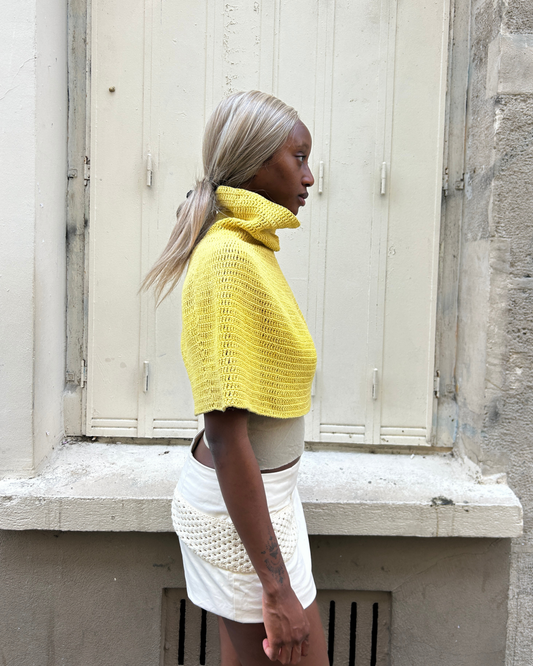
Hand Knitted Organic Cotton Poncho - Turmeric
Regular price $250.00 AUDRegular priceUnit price per -
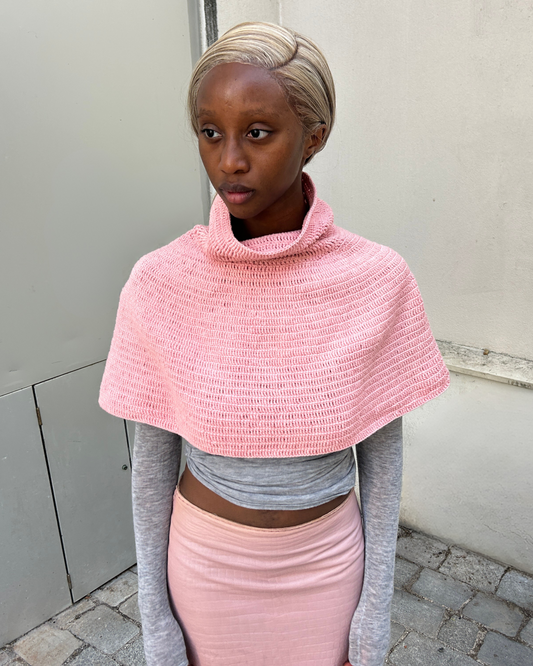
Hand Knitted Organic Cotton Poncho Soft Pink
Regular price $250.00 AUDRegular priceUnit price per -
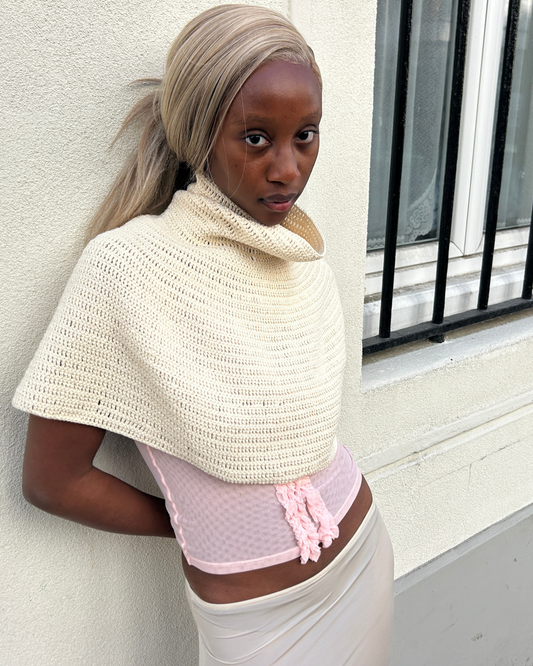
Hand Knitted Organic Cotton Poncho - Ecru
Regular price $250.00 AUDRegular priceUnit price per -
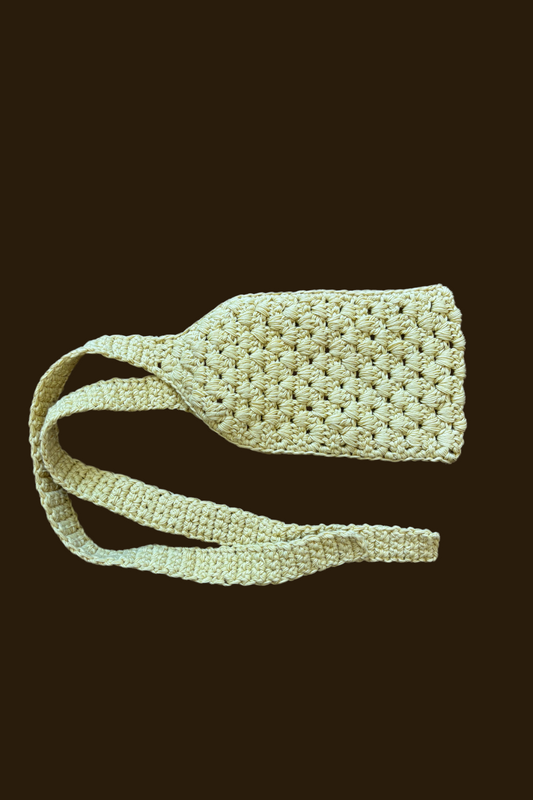
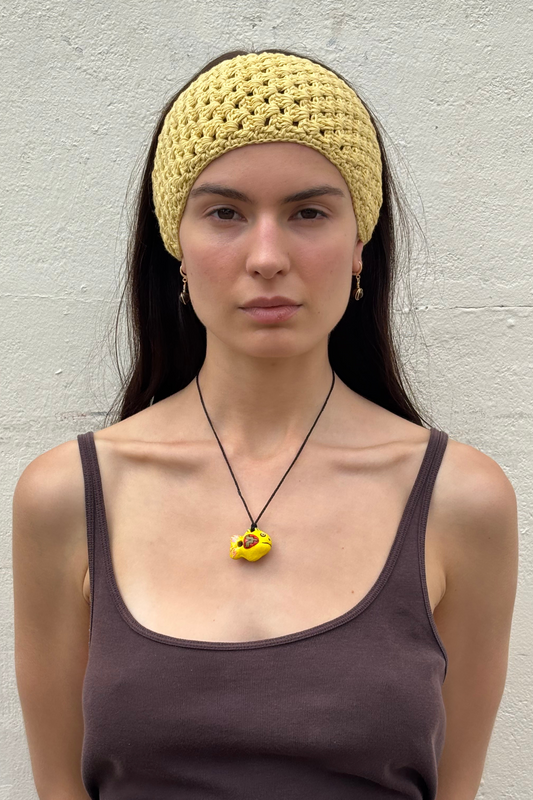
Hand Crocheted Headband - Soft Yellow
Regular price $65.00 AUDRegular priceUnit price per -
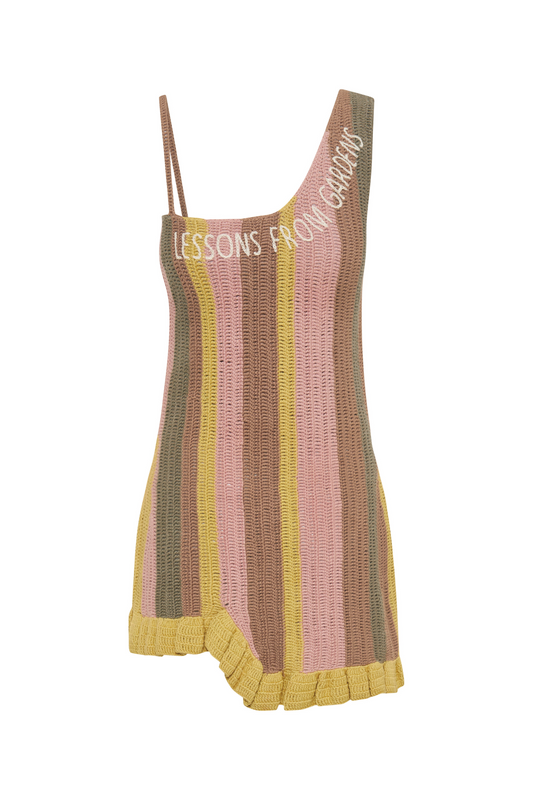
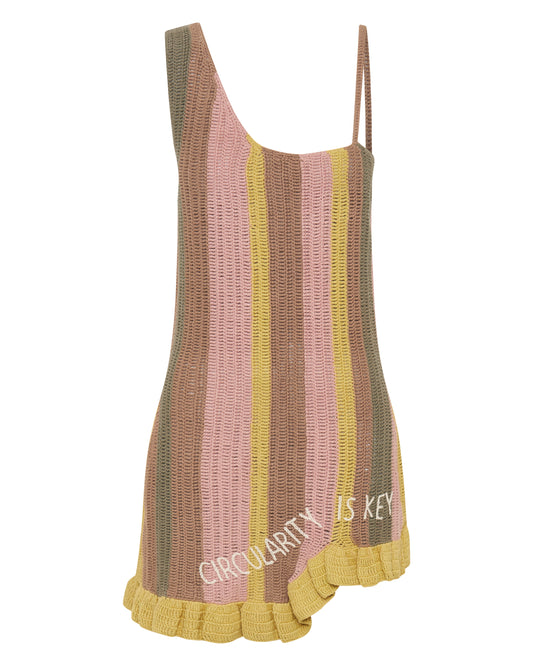
Hand Knitted Organic Cotton Dress – Rainbow Naturals
Regular price $345.00 AUDRegular priceUnit price per$575.00 AUDSale price $345.00 AUDSale -
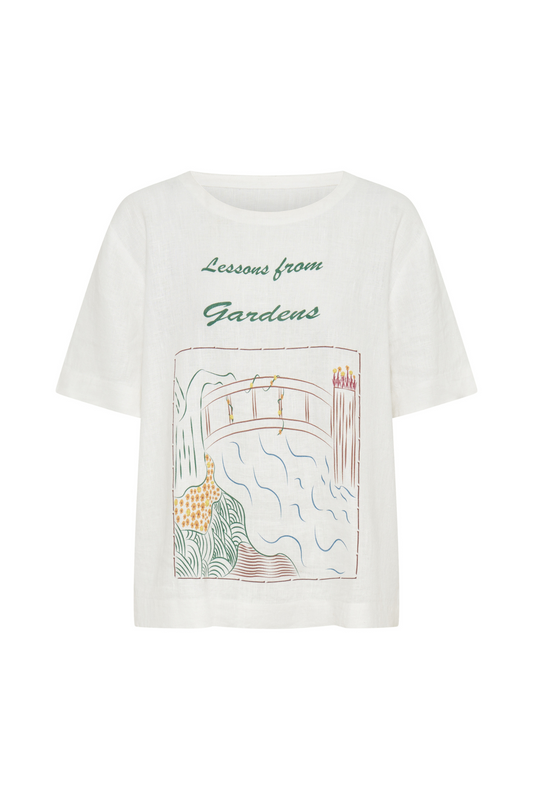
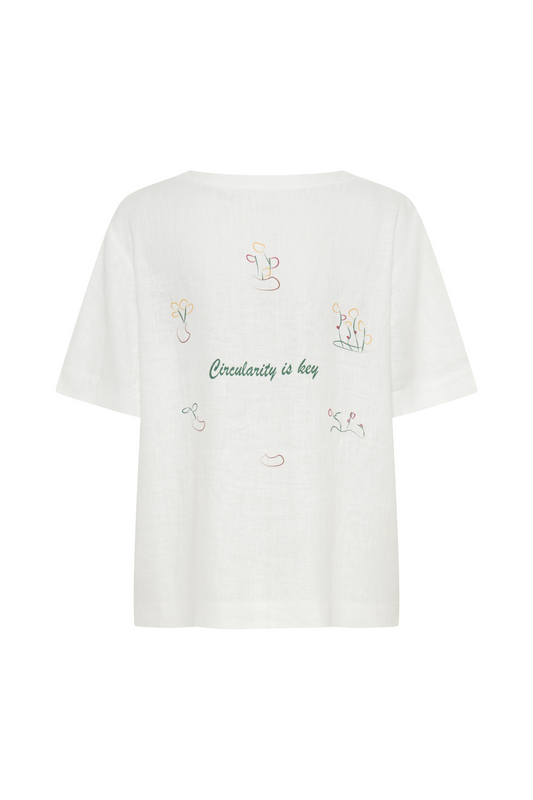
Garden Scene Tee – 100% Hemp Shirt
Regular price $190.00 AUDRegular priceUnit price per$315.00 AUDSale price $190.00 AUDSale -
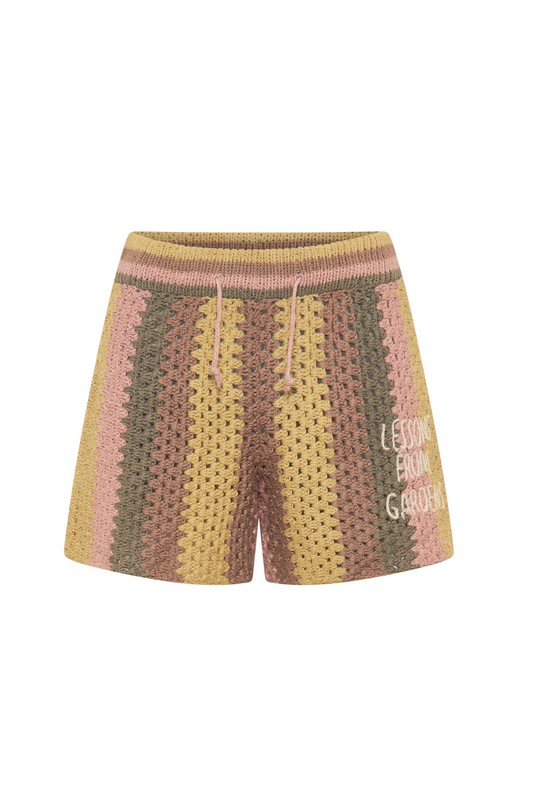
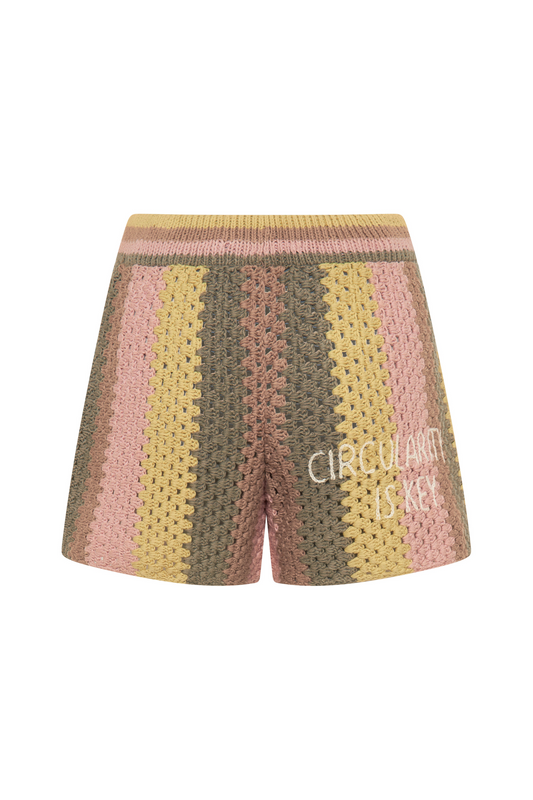
Hand Crocheted Organic Cotton Shorts – Rainbow
Regular price $240.00 AUDRegular priceUnit price per$399.00 AUDSale price $240.00 AUDSale -
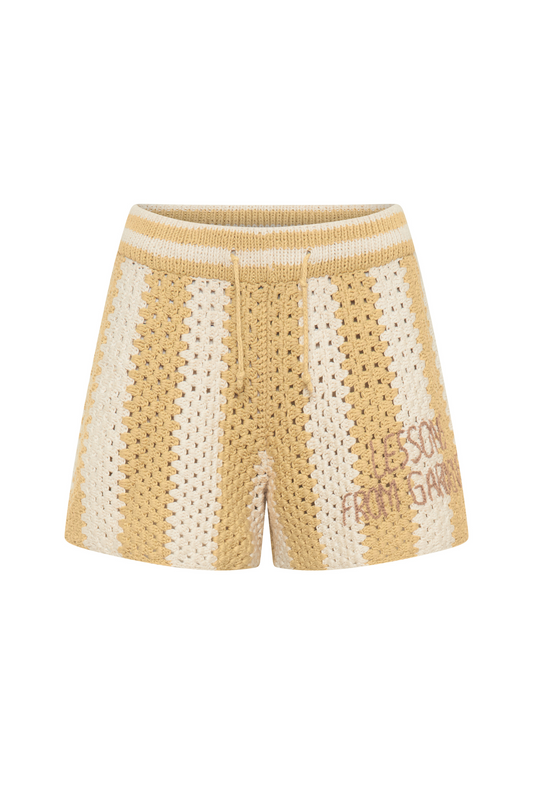
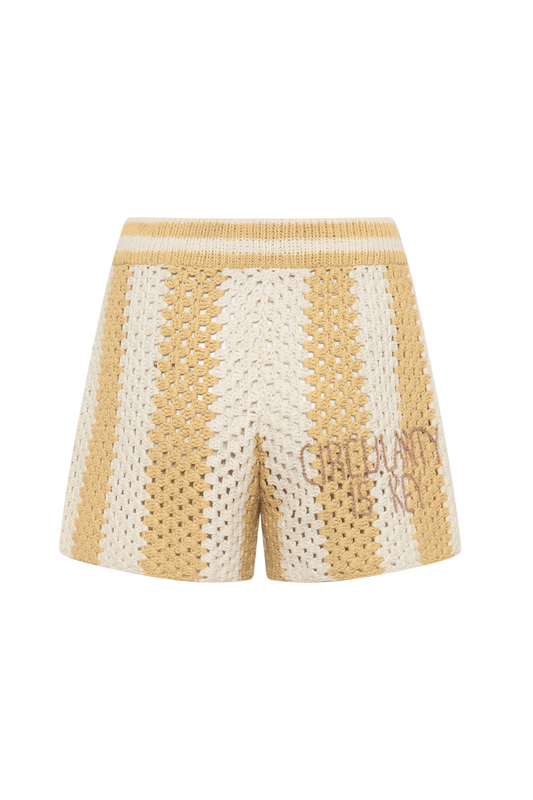
Hand Crochet Shorts - Lemon & Ecru
Regular price $240.00 AUDRegular priceUnit price per$399.00 AUDSale price $240.00 AUDSale -
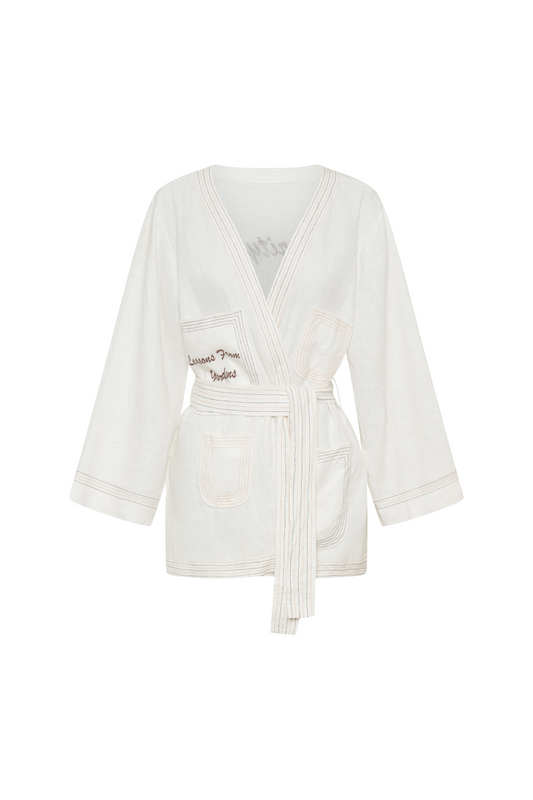
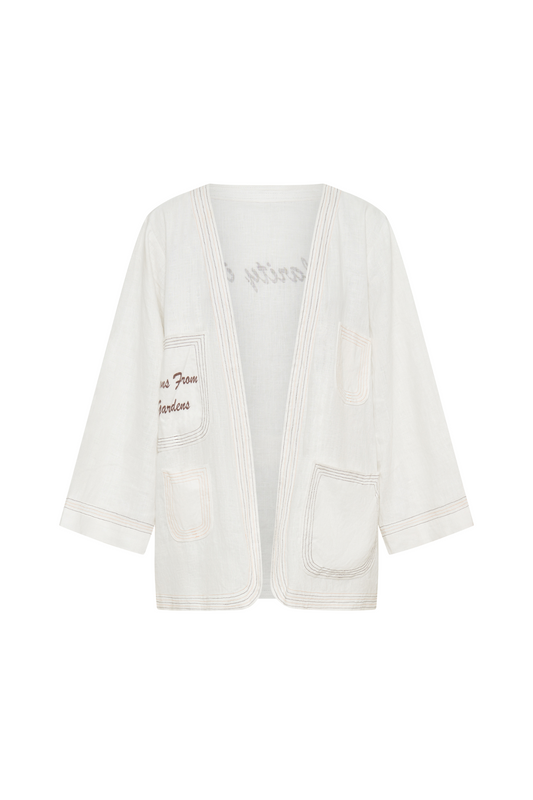
Contrast Stitched Hemp Robe
Regular price $230.00 AUDRegular priceUnit price per$380.00 AUDSale price $230.00 AUDSale